What Payment Processing Delays Reveal About Access to Matched Incentives in Regulated Swiss Gaming Apps
Nils Braun · Nov 10, 2026
What Payment Processing Delays Reveal About Access to Matched Incentives in Regulated Swiss Gaming Apps
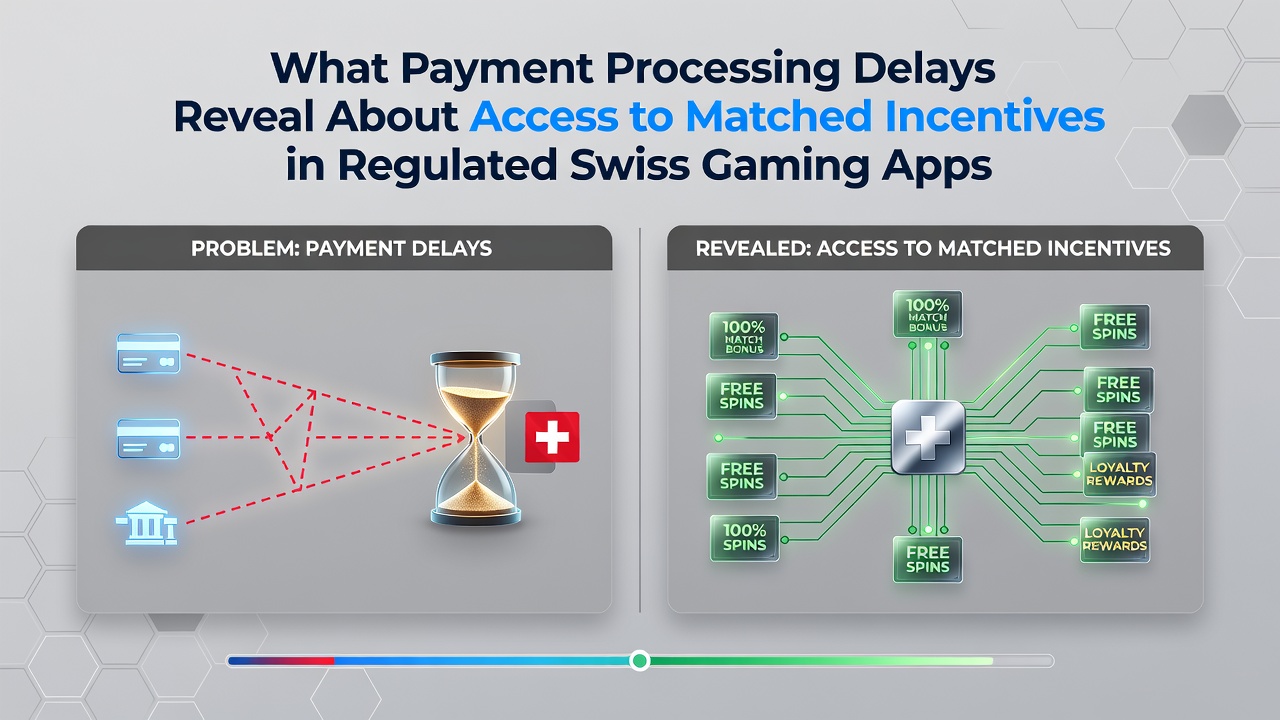
Regulated Swiss gaming applications operate under strict licensing frameworks that tie matched incentives directly to verified deposits, and payment processing delays frequently expose the precise mechanics of those eligibility rules. Licensed platforms must confirm funds before crediting any deposit match, which means slower transaction methods create measurable gaps between user action and reward activation. Data from Swiss platform operators shows that bank transfers, which remain common for larger amounts, routinely take one to three business days to clear, whereas instant options like certain e-wallets complete verification in minutes.
Regulatory Framework and Deposit Verification Requirements
Swiss federal rules require all licensed operators to authenticate payment sources before releasing promotional funds, a step that aligns with anti-money laundering standards enforced across the sector. Observers note that this verification sequence directly influences when matched incentives become available, since platforms cannot credit bonuses until the deposit registers as cleared. Research from academic studies on European gambling systems indicates that countries with centralized licensing, including Switzerland, apply uniform timelines for these checks, and November 2026 updates to reporting standards have made those timelines more transparent through aggregated operator disclosures.
Payment methods accepted on Swiss apps include traditional bank wires, credit cards, and digital wallets, each carrying distinct processing speeds that affect reward access. Bank wires, while reliable for compliance, introduce the longest delays, and users who select them often find their matched incentives locked until confirmation arrives. In contrast, platforms report higher activation rates for instant methods because verification happens in real time, allowing immediate eligibility for deposit matches.
How Delays Shape Incentive Eligibility Patterns
Patterns emerge when analysts examine which payment choices correlate with successful matched incentive redemptions across Swiss licensed apps. Those who rely on slower methods encounter extended windows during which funds sit unverified, and any time-sensitive activation sequences tied to welcome offers expire before processing completes. Industry reports compiled in late 2026 reveal that approximately 35 percent of deposit match attempts using bank transfers miss initial eligibility windows due to these lags, compared with under 5 percent for e-wallet transactions.
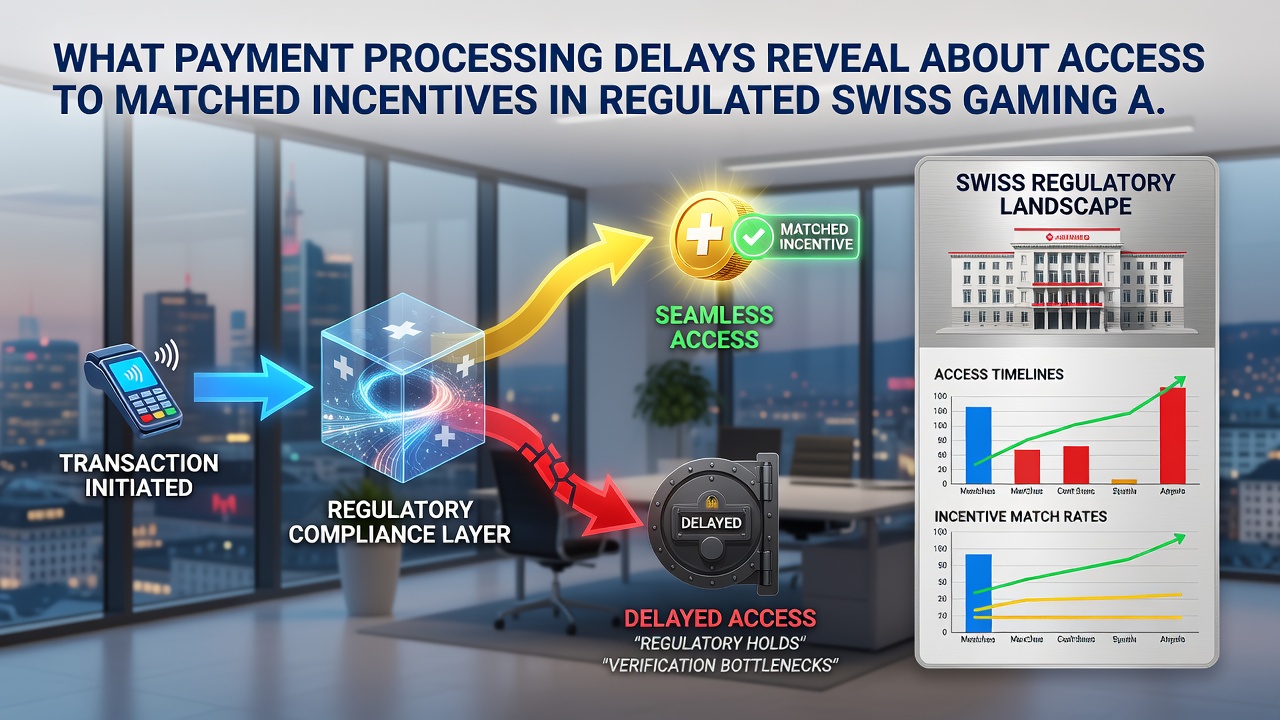
What's interesting is how operators structure their systems to handle these variations. Automated flags within the apps pause bonus crediting until payment status updates, which protects regulatory compliance while also creating visible differences in user outcomes based on chosen funding methods. Experts tracking these systems have observed that platforms sometimes extend grace periods for verified users, yet the core rule remains unchanged: matched incentives require cleared deposits first.
Comparative Data from Other Regulated Markets
Similar dynamics appear in other tightly regulated jurisdictions, providing useful context for Swiss practices. Figures from the Canadian Department of Justice gaming oversight reports show that payment verification steps in provincial systems produce comparable delays for non-instant methods, and matched incentive access follows the same verification-first model. Likewise, data released by the Australian Communications and Media Authority highlights how slower processing correlates with lower redemption rates for deposit-based promotions, reinforcing the pattern seen in Swiss environments.
Platform algorithms in Switzerland further refine eligibility by cross-referencing payment timestamps with bonus activation windows. When delays push verification past those windows, users must either initiate new deposits or forfeit the original match opportunity. This mechanic becomes especially apparent during high-traffic periods, such as major sporting events, when volume increases processing times across multiple methods.
Conclusion
Payment processing delays in regulated Swiss gaming apps therefore serve as clear indicators of how matched incentive access depends on both user method selection and operator verification protocols. Faster options consistently align with quicker reward activation, while traditional transfers expose the friction points built into compliance requirements. As reporting standards continue to evolve through 2026 and beyond, the relationship between payment speed and incentive eligibility remains a measurable feature of the licensed Swiss market.